
Unlocking the Mystery of Jaw Pain: Everything You Need to Know About TMD, Bruxism, and Night Grinding
Your jaw muscles can exert up to 250 pounds of force while grinding at night- that’s like biting down on a brick! Many patients are surprised by the strength of these tiny muscles and the damage they can cause in their sleep.
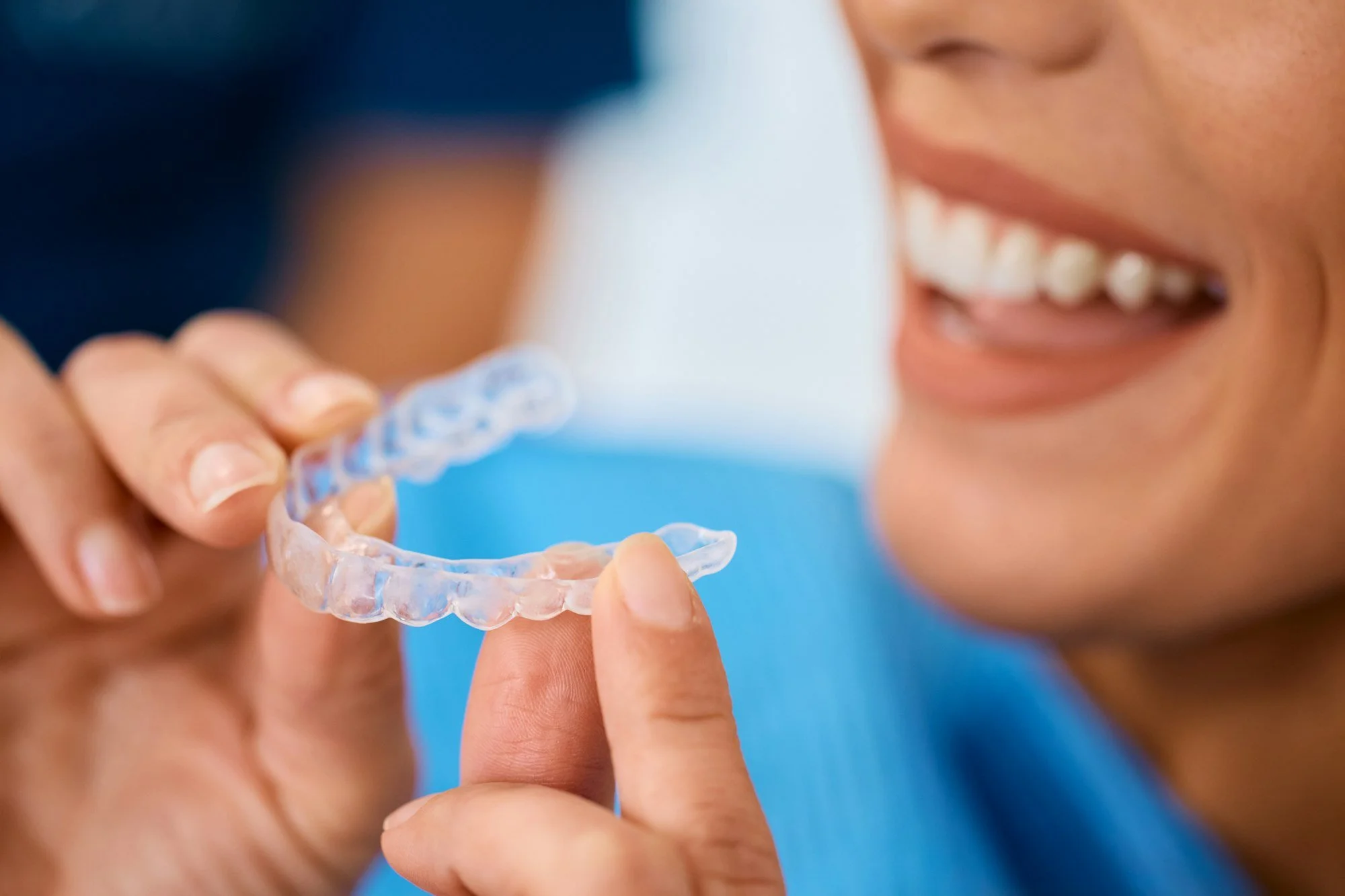
What Are TMD, Bruxism, and Night Grinding?
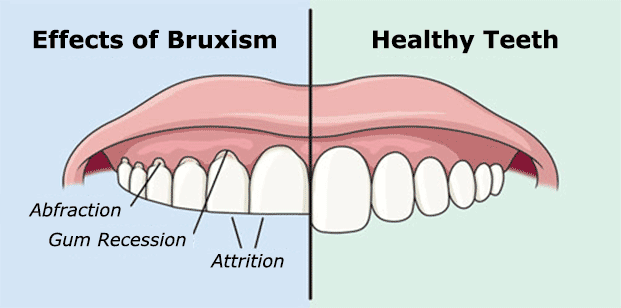
Bruxism is the involuntary clenching, gnashing, or grinding of teeth. While it can occur during the day, it’s most common, and hardest to control, at night. This isn’t just a noisy or harmless habit; chronic bruxism wears down your enamel, overloads jaw joints, and can even fracture teeth.
Temporomandibular Disorders (TMD) refer to problems in the jaw joints (the TMJ) and the muscles that control them. TMD can be triggered or worsened by bruxism as the constant force strains these sensitive areas.
Why Do We Grind Our Teeth?
Stress & Anxiety: The leading cause for most adults, especially at night, is subconscious tension.
Sleep Disorders: Obstructive sleep apnea and snoring are linked to night grinding.
Misaligned Teeth (Malocclusion): When your bite isn’t perfect, your jaw may try to “find” a comfortable position, resulting in grinding.
Medications & Habits: Certain antidepressants, caffeine, tobacco, and alcohol increase your risk.
Signs You Might Be Grinding
Bruxism and TMD are often “silent”-they don’t cause visible symptoms immediately. Watch for these warning signs:
Morning headaches and facial soreness
Jaw pain, clicking, or locking
Earaches or a feeling of fullness in the ear (without infection)
Muscle fatigue or stiffness on waking
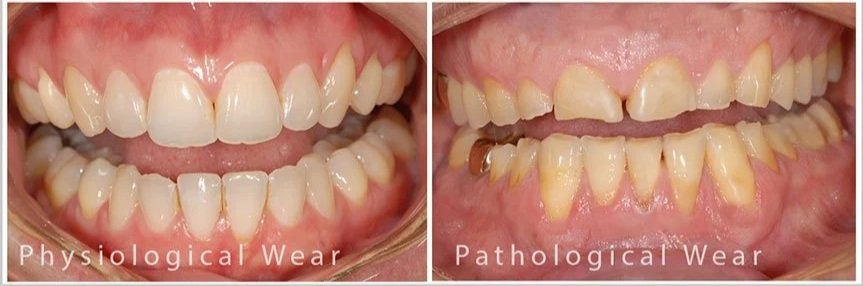
Flattened, chipped, or worn tooth surfaces
Tooth sensitivity to temperature and pressure
Disturbed sleep or waking frequently at night
Often, your dentist will spot clues: unusual tooth wear, gum recession, or dental restorations that fail earlier than expected.
Long-Term Effects: Why We Should Care
Unchecked bruxism doesn’t just damage your teeth- it can affect your entire quality of life:
Tooth fractures or loss
TMJ inflammation, popping, or pain
Face and neck pain radiating to shoulders
Chronic headaches and migraines
Difficulty chewing or opening your mouth fully
Interrupted sleep and increased daytime tiredness
The cumulative impact can lead to costly dental repairs, ongoing discomfort, and stress.
Treatment: Holistic and Evidence-Based Approaches
No one-size-fits-all solution exists, but modern dentistry offers comprehensive care:
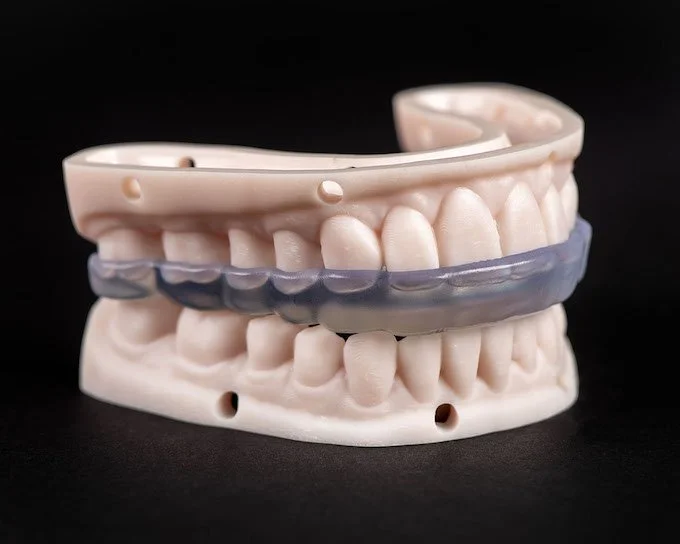
1. Custom Night Guards (Splints)
Designed specifically for your mouth, night guards cushion your teeth, absorb bite force, and help relax jaw muscles.
Are night guards safe? Yes—they’re made from medical-grade, biocompatible materials and tailored for comfort. Proper cleaning and regular dental checks keep them effective.
2. Stress & Behavioral Management
Relaxation therapy (deep breathing, yoga, meditation) and cognitive-behavioral counseling help break the nighttime grinding cycle.
3. Orthodontic Treatment
Misaligned bites (malocclusion) can be corrected with braces or clear aligners (like Invisalign). This reduces mechanical triggers for grinding and improves jaw harmony.
4. Medicinal Therapy & Botox
In patients with severe muscle overactivity, Botox injections temporarily reduce jaw muscle strength, alleviating pain and limiting grinding. Used selectively and always by a trained clinician.
5. Managing Contributing Factors
Lifestyle modifications- reducing caffeine/alcohol, quitting smoking, and adjusting medications-can make a huge difference.
6. Physical Therapy & Jaw Exercises
Targeted exercises, massage, and heat therapy help relieve muscle tension and restore jaw movement.
Safety FAQs: Patient Concerns About Night Guards
A common worry:
"Will a night guard make my bite worse or change my teeth?"
Fact: When custom-made and monitored by your dentist, night guards are safe for long-term use. They do not move teeth and are designed to protect, not alter, your natural bite.
Cleaning tips: Rinse with cool water daily, brush gently with a toothbrush, and deep-clean weekly with special tablets or mild soap. Bring your guard to every dental visit for fit checks.
When to See Your Dentist
Make an appointment if you notice:
Persistent jaw pain or popping
Frequent headaches or ear pain
Unexplained tooth sensitivity or damage
Sleep disruption or daytime fatigue
Early intervention can prevent complications and restore your comfort.
